

Blood Clot Symptoms: How to Recognize The Warning Signs
Blood clots are a serious and potentially life-threatening condition if not recognized and treated promptly. Whether they form in the legs, lungs, or brain, blood clots can disrupt normal circulation and lead to severe complications. Understanding the causes of blood clots, blood clot symptoms, and how to recognize the warning signs can play a critical role in preventing long-term complications and medical emergencies. Contact our team today to learn more.
What Is a Blood Clot?
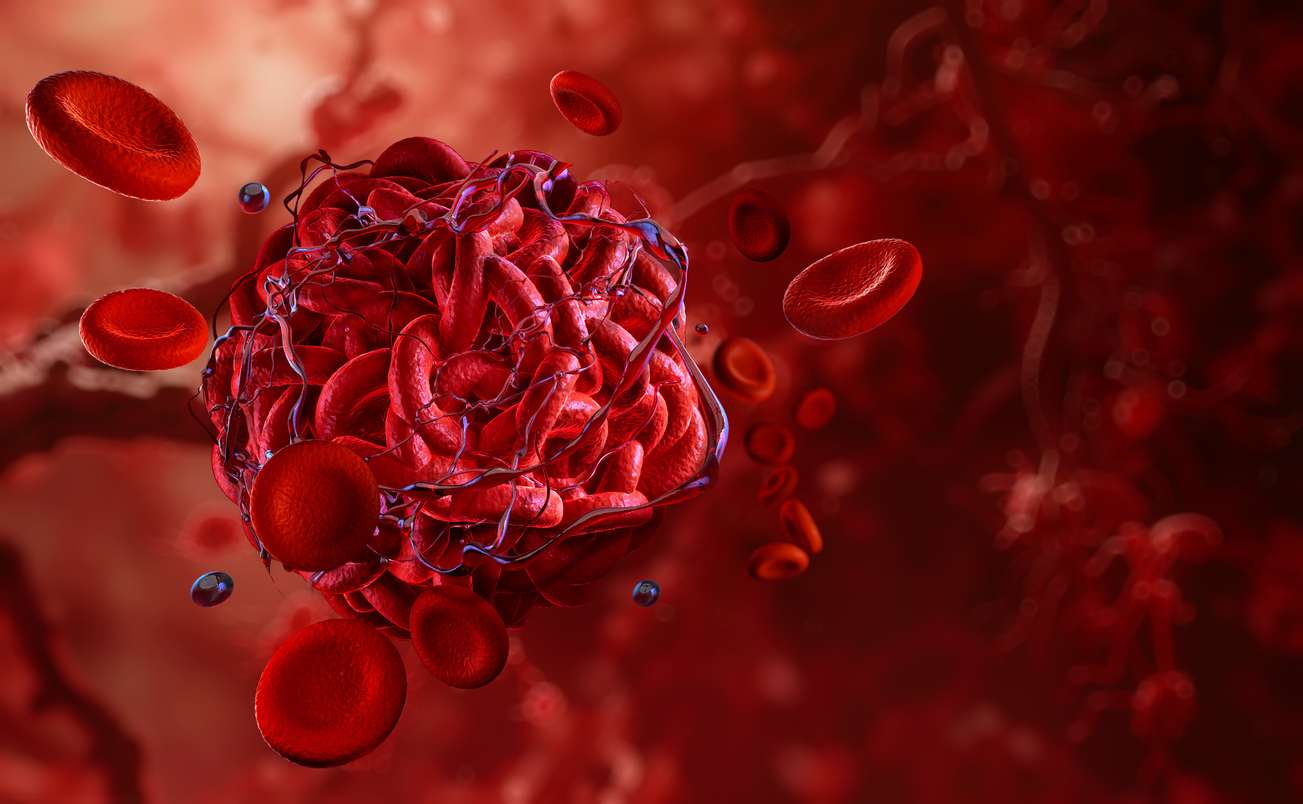
A blood clot, also known as thrombosis, occurs when blood thickens and forms a semi-solid mass inside a blood vessel. In many cases, clotting is a normal and essential bodily function that helps stop bleeding after an injury. However, when a clot forms inside a healthy vein or artery without a clear need, it can interfere with normal blood flow and create serious health risks.
Common conditions caused by blood clots include:
- Deep vein thrombosis (DVT): A clot that typically forms in the deep veins of the leg
- Pulmonary embolism (PE): A clot that travels to the lungs
- Stroke: A clot that blocks blood flow to the brain
- Heart attack: A clot that blocks blood flow to the heart
Common Causes and Risk Factors for Blood Clots
There are many risk factors for blood clots, and in some cases, multiple factors may be present at once:
- Prolonged immobility: Extended periods of sitting during travel, sedentary work, or long-term bed rest following surgery
- Surgery or trauma: Particularly orthopedic procedures involving the knees, hips, or legs
- Chronic medical conditions: Certain types of cancer, heart disease, and autoimmune disorders
- Hormonal factors: Pregnancy, hormone replacement therapy, and hormonal birth control
- Lifestyle factors: Smoking, obesity, and lack of physical activity
- Age: Blood clot risk increases with age, especially over 60
- Family history or genetic conditions: Inherited clotting disorders, such as Factor V Leiden, Prothrombin Gene Mutation, and Antithrombin Deficiency, can significantly increase the risk of clotting
Signs and Symptoms of Blood Clots
Recognizing the symptoms of blood clots is essential for early diagnosis and prompt medical treatment. However, sometimes the warning signs may be mild, develop gradually, or go unnoticed until the clot causes a more serious medical emergency. Because blood clots can form in different parts of the body, symptoms often vary depending on the clot’s location and the extent to which blood flow is affected.
For some individuals, symptoms may appear suddenly and become severe within a short period of time, while others may experience more subtle signs that are easily mistaken for other medical conditions. Understanding the common symptoms associated with different types of blood clots can help individuals seek medical attention before serious complications occur.
Symptoms can vary depending on the location of the blood clot.
Deep Vein Thrombosis (DVT)
- Swelling in arm or leg
- Pain or tenderness (often described as a cramp or Charley Horse)
- Warmth and redness of the skin
Pulmonary Embolism (PE)
- Sudden shortness of breath
- Sharp chest pain, especially when breathing deeply
- Rapid heart rate
- Lightheadedness or fainting
- Coughing up blood
Stroke Symptoms
- Numbness or weakness, particularly on one side of the body
- Slurred speech and difficulty speaking
- Face drooping
- Sudden vision changes in one or both eyes
- Severe headache with no known cause
Heart Attack Symptoms
- Chest discomfort or pressure
- Pain in the arms, neck, jaw, or back
- Shortness of breath
- Nausea or cold sweats
The Dangers of Misdiagnosis or Delayed Diagnosis
When diagnosed early, blood clots are often treatable with anticoagulants, commonly known as blood thinners, and other medical interventions that help prevent the clot from growing or traveling to other parts of the body. However, because blood clot symptoms can resemble less serious conditions, they may sometimes be overlooked, misdiagnosed, or improperly evaluated.
In some cases, healthcare providers may fail to recognize warning signs or important risk factors. Symptoms such as leg pain, swelling, chest discomfort, or shortness of breath may be dismissed, and appropriate diagnostic testing may not be ordered in time. As a result, the clot can worsen or travel through the bloodstream, potentially causing life-threatening complications such as pulmonary embolism, stroke, heart attack, permanent organ damage, or death.
When to Seek Medical Attention
If you experience symptoms that may indicate a blood clot, it is important to seek medical attention promptly. Warning signs such as sudden shortness of breath, chest pain, severe leg swelling, or sudden neurological symptoms should never be ignored.
Early diagnosis through imaging tests and blood work can allow treatment to begin quickly and may help prevent serious or life-threatening complications.
Contact Our Blood Clot Misdiagnosis Attorneys Today
Blood clots are a serious medical condition, but understanding the causes, symptoms, and risk factors can help you act quickly and protect your health. If you or a loved one suffered serious harm due to a delayed, missed, or incorrect diagnosis of a blood clot, it may not just be a medical issue, it could be a matter of medical negligence.
At Friedman Schuman Layser, our experienced blood clot misdiagnosis attorneys understand how devastating these cases can be. We work closely with medical experts to investigate whether proper standards of care were followed and to determine if earlier diagnosis or treatment could have prevented harm. Our team is committed to helping clients pursue compensation for medical expenses, lost wages, pain and suffering, and long-term care needs.
If you believe a healthcare provider failed to properly diagnose or treat a blood clot, contact Friedman Schuman Layser today for a confidential consultation to discuss blood clot symptoms, how to recognize the warning signs, and your legal rights.