


Can Malnutrition Be A Sign Of Nursing Home Neglect?
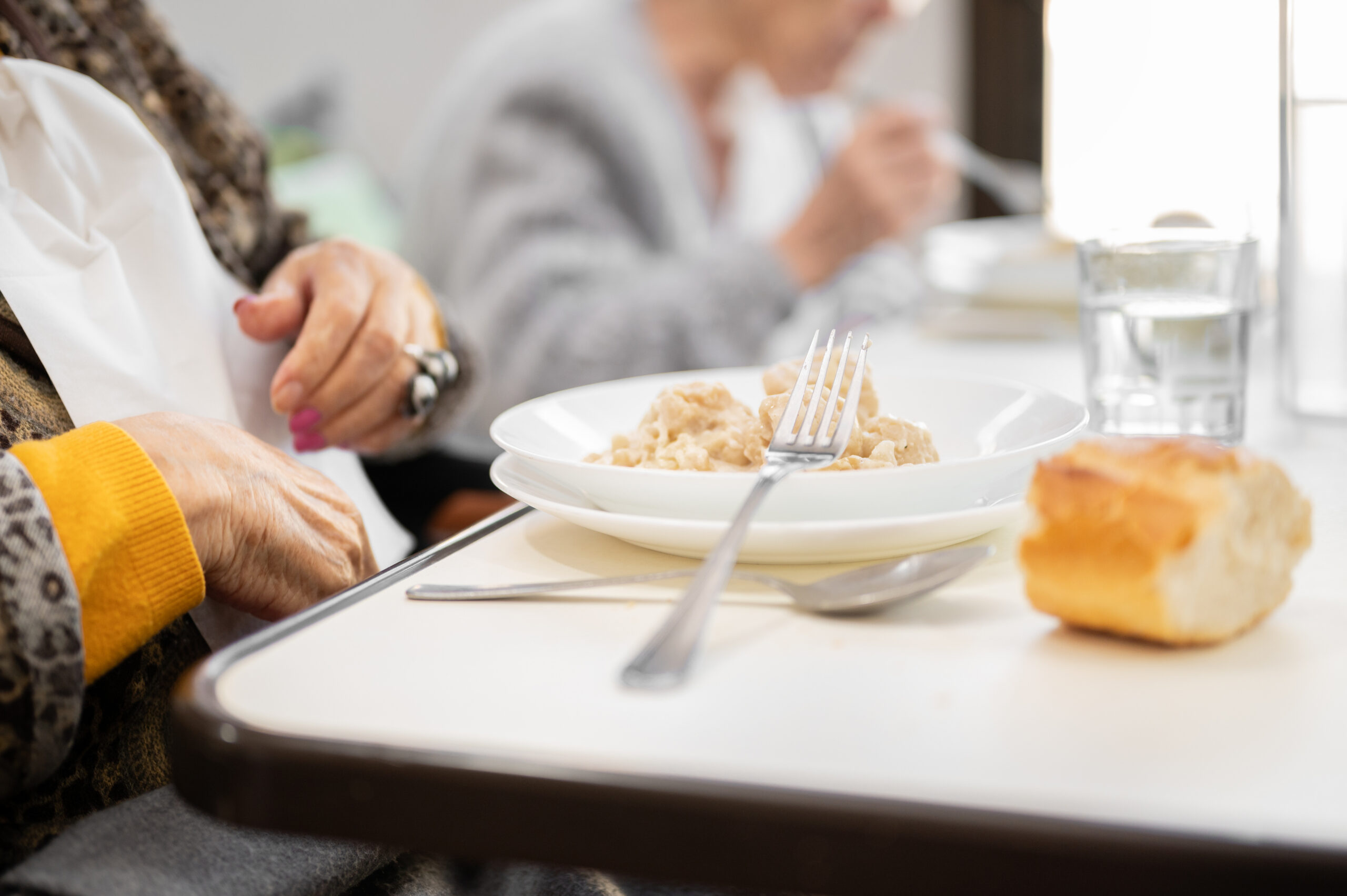
Malnutrition can have serious and potentially life-threatening consequences for elderly nursing home residents. Malnutrition in nursing homes occurs when a nursing home resident does not receive enough nutrients, calories, protein, or fluids to maintain their health and bodily functions. This can result from inadequate food intake, untreated medical conditions, medication side effects, or failure by nursing home staff to properly monitor and address a resident’s nutritional needs. When left untreated, malnutrition can significantly impact a resident’s quality of life and may be a warning sign that a nursing home is failing to provide appropriate care.
If you are wondering whether malnutrition can be a sign of nursing home neglect, schedule a consultation with our team at Friedman Schuman Layser.
Common Causes Of Malnutrition And Neglect In Nursing Homes
Malnutrition in nursing homes can occur for a variety of reasons, many of which are preventable with proper care, supervision, and staffing. However, older adults often face age-related health conditions that can affect their ability to maintain proper nutrition and absorb the nutrients necessary to maintain their health and well-being. These ailments can include:
- Difficulty swallowing
- Dental problems
- Mental health issues
- Certain medications
- Diminished taste or smell
- Recent hospitalizations
- Dementia or Alzheimer’s
However, in some cases, malnutrition may be directly linked to nursing home neglect. Nursing homes have a legal duty to provide residents with adequate nutrition, hydration, and appropriate assistance with eating when needed. In certain situations, malnutrition may be a sign that the facility did not meet the required standard of care, potentially giving rise to a claim for nursing home negligence or abuse. These instances of abuse can include:
- Inadequate supervision during meals
- Neglecting to assist a resident eat their meals
- Failing to address health conditions
- Intentional neglect to “punish” residents
Additionally, poor communication among caregivers, lack of individualized care plans, and inadequate training can contribute to malnutrition in nursing home facilities. Because elderly residents often have complex medical and dietary needs, nursing homes have a responsibility to regularly assess, monitor, and address each resident’s nutritional status to help prevent malnutrition and the potentially life-threatening consequences.
How To Recognize Signs Of Malnutrition And Neglect In Nursing Homes
Recognizing the signs of malnutrition caused by the neglect of nursing home residents is critical, as early intervention can help prevent serious health complications. When you stop by to see your loved one in a nursing home facility, pay attention to see if they are displaying any signs of malnourishment. Some common signs of malnourishment are:
- Weight loss
- Mood changes
- Dull eyes
- Increased frailty
- Hair thinning or loss
- Delayed reflexes
- Confusion or disorientation
- Muscle weakness
- Fatigue
- Dull hair color
- Sensitivity to cold
- Thin or flaky skin
In some cases, signs of malnutrition may be accompanied by indicators of nursing home neglect, such as poor hygiene, unattended medical needs, missed meals, lack of assistance during mealtimes, or a failure by staff to monitor a resident’s weight and nutritional status. Family members who notice sudden weight loss, changes in behavior, or a decline in a loved one’s physical condition should take these warning signs seriously and seek answers from the nursing home staff and medical providers. Prompt recognition and intervention can help protect vulnerable residents from further harm.
What Should You Do If You Suspect Nursing Home Malnutrition?
Nursing homes are meant to be a safe space for elderly people to be taken care of during the final years of their lives. If you suspect that a loved one is suffering from malnutrition in a nursing home, it is important to take action as soon as possible. Start by documenting any signs or symptoms you have observed. Speak with the nursing home’s staff and administration to ask questions about your loved one’s nutritional care plan, food and fluid intake, recent weight changes, and any underlying medical conditions that may be affecting their health. You may also want to request copies of medical records and consult with your loved one’s physician or another healthcare professional for an independent evaluation.
Contact Our Team of Nursing Home Neglect Attorneys to Learn More About Malnutrition Claims
Malnutrition can greatly impact quality of life, and if untreated for too long, can even result in death. If you believe that a nursing home facility is responsible for your loved one’s malnutrition and neglect, you may be entitled to take legal action against it. Contact one of our nursing home abuse lawyers at Friedman Schuman Layser today to discuss your legal options and learn more about whether malnutrition can be a sign of nursing home neglect.